

As travelers increasingly seek out unique experiences, Morocco accessible travel has become a vital consideration for many. Morocco, with its rich history, diverse landscapes, and welcoming culture, is an ideal destination for those looking to explore new horizons.
From the bustling streets of Marrakech to the serene dunes of the Sahara, Morocco offers a myriad of experiences that cater to all kinds of travelers, including those seeking wheelchair accessible Morocco options.
1. Introduction
Morocco is a land of contrasts, where ancient traditions blend with modernity, and the majestic Atlas mountains give way to the vast expanse of the Sahara desert. As a traveler, discovering the routes, itineraries, and tourist destinations in Morocco is a journey in itself, offering a mix of adventure, cultural immersion, and relaxation. Whether you’re drawn to the vibrant souks, the tranquil riads, or the breathtaking landscapes, Morocco has something for everyone. With a growing focus on Morocco accessible travel and initiatives to improve accessibility, Morocco is becoming more inclusive for travelers of all abilities, including those interested in wheelchair accessible Morocco experiences.
2. Travel Documents & Practical Info
Before embarking on your Moroccan adventure, it’s essential to ensure you have all the necessary documents and practical information. This includes a valid passport, visas if required, and an understanding of the local currency, the dirham. Familiarizing yourself with local customs, such as dressing modestly and respecting Ramadan, will also enhance your experience. Additionally, researching transportation options, from trains to grand taxis, and considering the purchase of a city pass for popular destinations can help streamline your trip.
3. Destination & Route Overview
Morocco is a diverse country, with each region offering its unique charm. Marrakech, known for its vibrant atmosphere and historical landmarks, is a must-visit, while Fes, with its ancient medina, provides a glimpse into the country’s rich past. Rabat, the capital, combines modernity with historical significance, and Tangier offers a blend of Moroccan and European influences. The Sahara desert, with its majestic dunes, is perfect for those seeking adventure, and the Atlas mountains provide opportunities for hiking and trekking. Understanding the differences between these destinations and planning your itinerary accordingly will help you make the most of your trip.
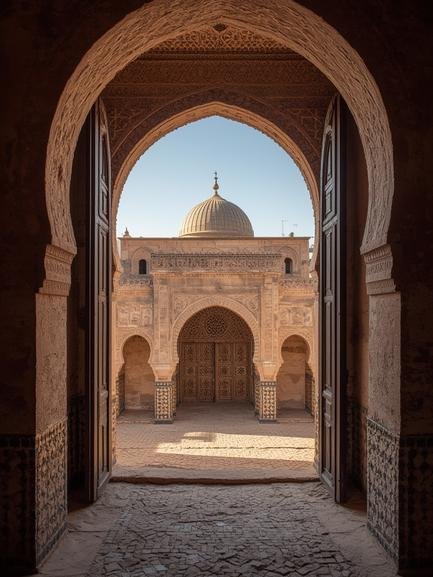
4. Step-by-Step Itinerary / Travel Guide
Creating a detailed itinerary is key to a successful trip to Morocco. Here’s a 7-day guide to exploring Morocco:
1. Day 1-2: Marrakech – Explore the bustling souks, visit the Koutoubia Mosque, and relax in a riad.
2. Day 3: Essaouira – Enjoy the coastal town’s laid-back atmosphere and beautiful beaches.
3. Day 4-5: Fes – Discover the ancient medina, visit the Al-Attarine Madrasa, and explore the vibrant souks.
4. Day 6-7: Sahara Desert – Embark on a camel trek or 4×4 adventure through the majestic dunes.
When planning your trip, consider options for Morocco accessible travel, such as accessible transportation and accommodations, to ensure a smooth journey. Similarly, researching wheelchair accessible Morocco options can provide valuable insights into navigating the country’s attractions.
5. Accommodation & Local Experiences
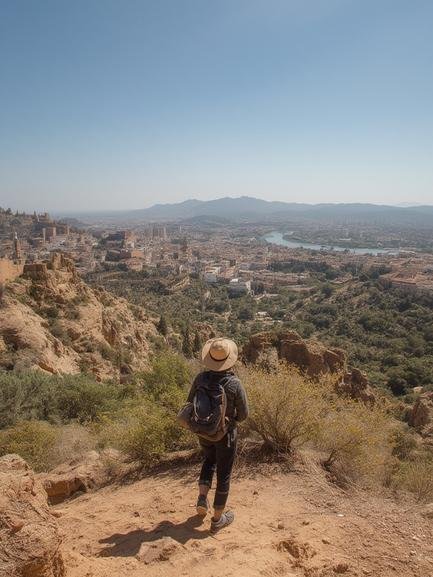
Morocco offers a wide range of accommodations, from traditional riads and hotels to guesthouses and desert camps. Choosing the right accommodation depends on your preferences and the type of experience you’re seeking. For an authentic experience, consider staying in a riad in Marrakech or a guesthouse in Fes. Don’t miss the opportunity to immerse yourself in local culture by visiting souks, relaxing in a hammam, or enjoying traditional Moroccan cuisine.
6. Transport & Getting Around
Morocco has a well-developed transportation network, including trains, buses, grand taxis, and internal flights. The train network is efficient and comfortable, connecting major cities like Marrakech, Fes, and Rabat. Grand taxis are a convenient option for shorter journeys, while rental cars offer flexibility for those who prefer to drive. Understanding your transport options and planning ahead will help you navigate Morocco with ease.
7. Safety, Budget & Common Mistakes
While Morocco is generally a safe destination, there are common mistakes to avoid, such as overpaying at souks or underestimating the climate. Being mindful of local customs and cultural norms will also enhance your experience. Budgeting wisely, researching tour operators, and staying informed about local conditions will help ensure a smooth and enjoyable trip.
8. Best Time to Visit & Future Tourism Trends
The best time to visit Morocco depends on the region. Spring and autumn are ideal for most areas, while the Sahara desert is best visited during the cooler months. As tourism trends evolve, Morocco is embracing eco-tourism and sustainable practices, with new routes and destinations emerging. Staying informed about these developments can help you plan future trips and discover new experiences.
9. Conclusion
Morocco is a destination that offers something for every kind of traveler, from adventure seekers to those looking for cultural immersion or relaxation. By understanding the practical aspects of travel in Morocco, including Morocco accessible travel options and wheelchair accessible Morocco initiatives, you can tailor your trip to your needs and preferences. Whether you’re exploring the vibrant cities, trekking through the Atlas mountains, or relaxing in a desert camp, Morocco promises an unforgettable experience.
10. FAQs
1. Q: What is the ideal budget for a week-long trip to Morocco?
A: The budget can vary widely depending on your travel style, but a general estimate is between $500 to $1,500 per person for accommodation, food, and activities.
2. Q: What is the best time to visit the Sahara desert?
A: The best time to visit the Sahara desert is during the cooler months, from October to April, to avoid the extreme heat.
3. Q: How do I move between cities in Morocco?
A: Morocco has a well-developed transportation network, including trains, buses, and grand taxis. Trains are a comfortable and efficient option for longer distances.
4. Q: Are there safety tips for solo travelers in Morocco?
A: Solo travelers should take normal precautions, such as being aware of their surroundings, respecting local customs, and staying informed about local conditions.
5. Q: What are some key precautions for first-time visitors to Morocco?
A: First-time visitors should research local customs, dress modestly, and be prepared for the climate. Understanding the local currency and having some basic Arabic phrases can also enhance your experience.