

Are you ready to embark on an unforgettable journey through the vibrant streets of Marrakech, the majestic Atlas Mountains, and the serene Sahara Desert? As you consider travel to Morocco, you’ll find that this North African gem offers a rich tapestry of cultural heritage, breathtaking landscapes, and warm hospitality. With a Morocco travel guide, you can unlock the secrets of this fascinating country, exploring its tourist destinations, historical sites, and diverse landscapes.
The focus keyword “Morocco tourism” and related keyword “travel planning” will be your guides as you navigate the process.
Travel Gear & Essentials
Before embarking on your Moroccan adventure, it’s essential to pack the right gear and documents. Here’s a comprehensive list to get you started:
– Passport with at least six months’ validity
– Travel insurance that covers Morocco
– Comfortable shoes for exploring cities and trekking
– Local SIM card or international roaming plan
– Moroccan currency (Dirham) for local transactions
– Navigation tools like GPS devices or smartphone apps
– Power adapter for Morocco (Type C, E, or F)
– Lightweight clothing for warm weather
– Warm layers for cooler evenings in the mountains
– Sun protection (sunscreen, hat, sunglasses)
– Optional: guidebook, phrasebook, or portable Wi-Fi hotspot
Timing / Travel Schedule
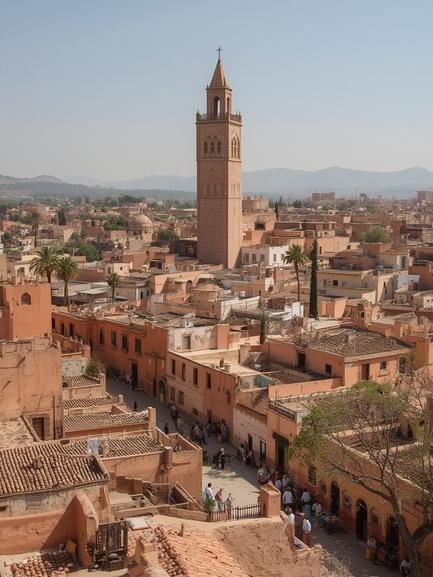
Morocco’s climate varies greatly depending on the region and season. The best time to visit is spring (March to May) or autumn (September to November), when temperatures are mild and comfortable. Peak tourist season is June to August, with hot weather and large crowds. If you’re looking for a more relaxed experience, consider traveling during the shoulder season. Plan your itinerary according to the region: the coastal areas are generally cooler than the desert, and the mountains can be chilly, even in summer.
Step-by-Step Travel Guide
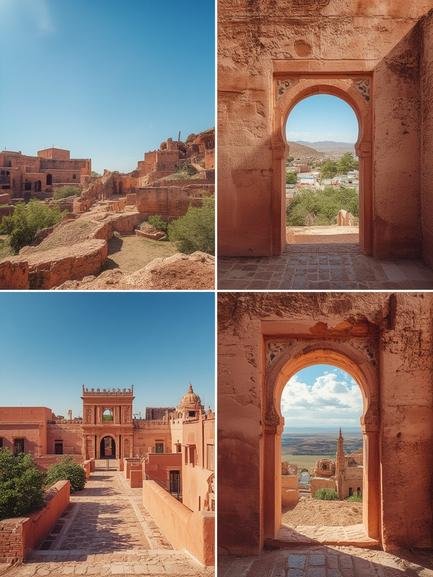
To ensure a smooth and enjoyable trip, follow these steps:
1. Research and book your flights and accommodations in advance, especially during peak season.
2. Plan your itinerary, considering travel time between destinations and any activities or tours you want to include.
3. Book transportation in advance, whether it’s a taxi, bus, or rental car, to ensure availability.
4. Pack accordingly, based on the season and regions you plan to visit.
5. Stay informed about local customs, cultural events, and any travel advisories.
When you start travel to Morocco planning, consider the focus on “Morocco tourism” and incorporate “travel planning” to tailor your journey.
Travel Benefits / Cultural Advantages
Visiting Morocco offers a wealth of cultural and personal benefits. You’ll have the opportunity to immerse yourself in a rich cultural heritage, from the vibrant souks to the historic medinas. Discover historical sites like the Bahia Palace and the Koutoubia Mosque, and marvel at the natural beauty of the Sahara Desert and the Atlas Mountains. Morocco is also a paradise for adventure seekers, with opportunities for hiking, camel trekking, and surfing.
Tips, Alternative Routes, or Travel Advice
Morocco caters to all types of travelers, from luxury seekers to backpackers. Consider alternative routes like the coastal road from Essaouira to Taghazout, or explore the rural beauty of the Atlas Mountains. City tours are a great way to discover the urban charm of Marrakech and Fez, while rural exploration can lead to unforgettable experiences in Berber villages. Group tours can be a great way to meet fellow travelers, while solo travel allows for flexibility and spontaneity.
Common Travel Mistakes to Avoid
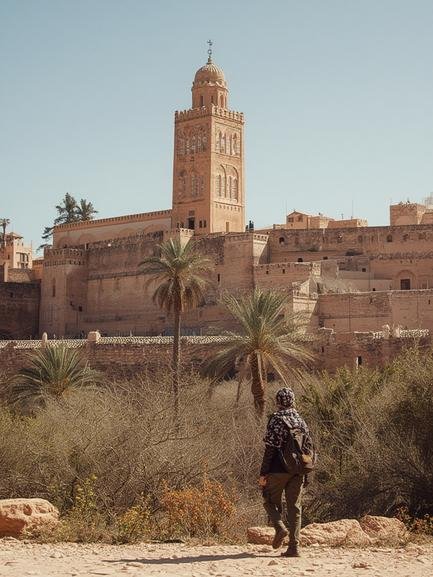
To ensure a smooth journey, be aware of common travel mistakes:
– Not respecting local customs and dress codes
– Not haggling in markets (it’s expected)
– Not having local currency for small transactions
– Traveling during peak season without advance booking
– Not staying hydrated in the desert or during physical activities
Accommodation / Local Experiences Tips
Morocco offers a wide range of accommodations, from riads and hotels to desert camps. When dining, be respectful of local etiquette, such as eating with your right hand and trying local cuisine. Transportation between sites can be by taxi, bus, or rental car. Be mindful of cultural differences and dress modestly, especially when visiting mosques or rural areas.
Conclusion
In conclusion, travel to Morocco offers a unique blend of cultural immersion, historical discovery, and natural beauty, making it a prime destination for “Morocco tourism.” Effective “travel planning” is key to unlocking the full potential of your journey. With the right preparation and mindset, you’ll be ready to embark on an unforgettable adventure. Share your travel experiences and explore related destination guides to inspire others.
FAQs
1. What are the must-visit destinations in Morocco?
Morocco’s top destinations include Marrakech, Fez, Chefchaouen, and the Sahara Desert. Each offers a unique cultural and natural experience.
2. Is Morocco safe for tourists?
Generally, Morocco is considered safe for tourists. However, it’s always wise to take common precautions against petty crime and to stay informed about local conditions.
3. What is the cost of traveling in Morocco?
Morocco can be affordable, with a range of accommodation options and dining choices. However, costs can vary depending on your travel style and itinerary.
4. How do I plan a 7-day itinerary for Morocco?
A 7-day itinerary could include Marrakech, the Atlas Mountains, and Fez, or a mix of city and desert experiences. Prioritize your interests and plan accordingly.
5. What cultural etiquette should I be aware of in Morocco?
Be respectful of local customs, dress modestly, and be mindful of your behavior in mosques and rural areas. Learning a few basic Arabic phrases can also go a long way in showing respect.