

Embark on a journey through Morocco’s diverse landscapes and discover the rich wildlife that inhabits this beautiful country. With Morocco wildlife tours, you can experience the best of Morocco’s natural beauty and fascinating fauna. Morocco is a paradise for nature lovers and adventure seekers alike, offering a unique blend of African, Arab, and Mediterranean influences.
1. Introduction
Morocco is a treasure trove of exciting experiences, from the majestic Atlas Mountains to the vast Sahara Desert. For those passionate about wildlife and nature, Morocco wildlife tours offer a unique opportunity to explore the country’s diverse ecosystems. Whether you’re interested in birdwatching, spotting desert animals, or simply enjoying the great outdoors, Morocco has something for everyone. Meanwhile, enthusiasts of animal spotting in Morocco can look forward to encountering a wide range of species in their natural habitats.
2. Travel Documents & Practical Info
Before embarking on your Moroccan adventure, it’s essential to ensure you have all the necessary documents and information. This includes a valid passport, potential visas for your nationality, and being aware of local currencies and transport options. Morocco is generally safe for tourists, but taking normal precautions and respecting local customs will make your trip smoother. Understanding the local culture and being prepared will enhance your experience, whether you’re navigating the bustling souks of Marrakech or enjoying a serene desert sunset.
3. Destination & Route Overview
Morocco boasts a variety of destinations that cater to different interests and preferences. From the vibrant cities of Marrakech, Fes, and Rabat to the serene landscapes of the Sahara and Atlas Mountains, each region offers a unique experience. The best time to visit depends on the region; the spring (March to May) and autumn (September to November) are ideal for most areas, offering mild temperatures and fewer crowds. Understanding these differences will help you plan your trip according to your interests and the activities you have planned.
4. Step-by-Step Itinerary / Travel Guide
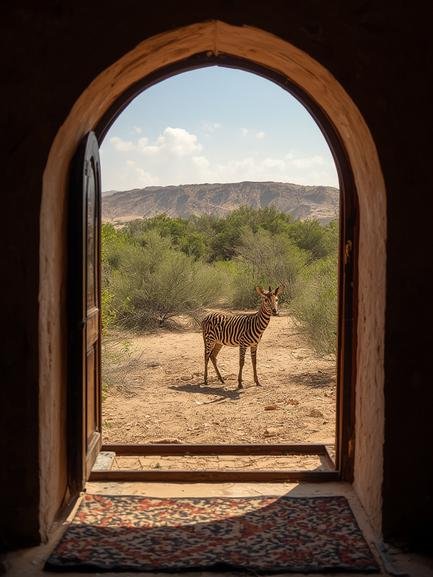
For an unforgettable experience, consider a guided Morocco wildlife tour. A typical itinerary might include exploring the Souss-Massa National Park, known for its diverse birdlife and the last remaining Northern Bald Ibises in the wild. Another highlight could be a desert safari, where you might spot animal-spotting opportunities in Morocco, such as fennec foxes or dorcas gazelles. The Atlas Mountains offer trekking opportunities with breathtaking views and encounters with local Berber communities.
5. Accommodation & Local Experiences
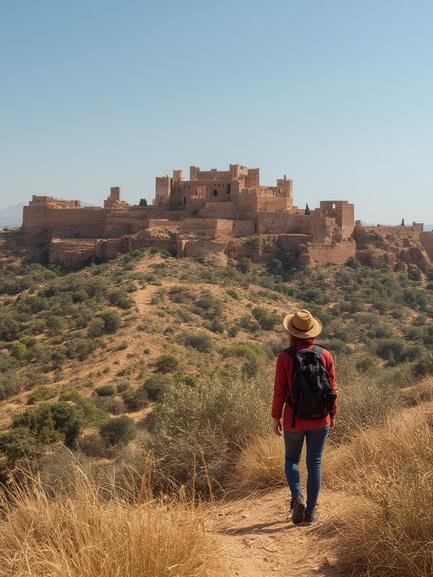
Morocco offers a wide range of accommodation options, from traditional riads and modern hotels to guesthouses and desert camps. For an authentic experience, consider staying in a riad in Marrakech or a desert camp under the stars. Engaging in local experiences such as visiting souks, relaxing in a hammam, or enjoying a traditional Moroccan meal will enrich your journey and provide lasting memories.
6. Transport & Getting Around
Morocco has a well-developed transport network, including trains, buses, grand taxis, and rental cars. Trains are a convenient and comfortable way to travel between major cities like Marrakech, Fes, and Rabat. For more flexibility, especially in rural areas, renting a car can be a good option. Understanding the transport options and planning ahead will help you make the most of your trip.
7. Safety, Budget & Common Mistakes
While Morocco is generally a safe country for tourists, there are common mistakes to avoid. These include overpaying at souks, falling prey to scams, and not respecting local customs. Budgeting appropriately and being mindful of your surroundings will help ensure a safe and enjoyable trip. Researching your destinations and service providers in advance can also prevent many common issues.
8. Best Time to Visit & Future Tourism Trends
The best time to visit Morocco varies by region. Generally, spring and autumn are the best seasons, offering pleasant weather across most of the country. As for future trends, ecotourism is on the rise, with more travelers seeking sustainable and responsible travel options. Keeping an eye on these trends can help you plan a trip that is both enjoyable and environmentally conscious.
9. Conclusion
Morocco is a destination that promises something for everyone. With its rich cultural heritage, diverse landscapes, and abundant wildlife, it’s an ideal location for Morocco wildlife tours. Whether you’re an avid nature lover or just looking for a unique travel experience, Morocco’s blend of adventure and relaxation is sure to captivate. As you plan your trip, consider the opportunities for animal spotting in Morocco and the chance to immerse yourself in the local culture.
10. FAQs
1. What is the ideal budget for a week-long trip to Morocco?
The budget can vary widely depending on your travel style, accommodation choices, and activities. On average, a budget of $500-$1000 per person for a week can cover basic expenses, including accommodation, food, and some activities.
2. When is the best time to visit Morocco?
The best times to visit are during the spring (March to May) and autumn (September to November), when the weather is mild and pleasant across most regions.
3. How do I move between cities in Morocco?
Morocco has a well-developed transport network. Trains are a convenient option for major routes, while buses and grand taxis serve smaller towns. Rental cars offer flexibility, especially for rural areas.
4. Is Morocco safe for solo travelers?
Morocco is generally safe for solo travelers, but it’s always wise to take normal precautions, such as being aware of your surroundings and keeping valuables secure.
5. What are some key precautions for first-time visitors to Morocco?
Respecting local customs, dressing modestly, and being prepared for bargaining at souks are key. Also, staying hydrated and protecting yourself from the sun are essential, especially in the desert regions.