

Discover the flavors of Morocco on a culinary adventure that will leave you wanting more. Embarking on a Morocco food tour is an excellent way to experience the country’s rich culture and history through its cuisine. In this article, we’ll guide you through the best ways to explore Morocco’s gastronomic delights, including Moroccan cuisine tasting.
1. Introduction
Morocco is a melting pot of cultures, with a rich history that is reflected in its cuisine. Starting your journey with a Morocco food tour will give you a deeper understanding of the country’s traditions and way of life. As you explore the bustling souks and markets, be sure to try some of the local specialties, such as tagines and pastilla, which are a hallmark of Moroccan cuisine tasting.
2. Travel Documents & Practical Info
Before embarking on your Moroccan adventure, make sure you have all the necessary documents, including a valid passport and any required visas. It’s also essential to understand the local currency, the Moroccan dirham, and have some cash on hand. Familiarize yourself with the local customs and dress modestly, especially when visiting mosques or rural areas. Researching and booking your accommodations and transportation in advance can also help ensure a smooth trip.
3. Destination & Route Overview
Morocco is a vast and diverse country, with different regions offering unique experiences. 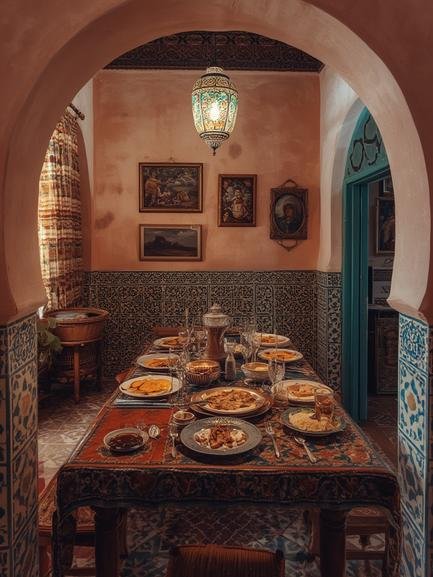 Marrakech, Fes, and Rabat are popular destinations, known for their rich history and cultural heritage. The Atlas mountains and Sahara desert offer opportunities for trekking and camel rides, while the coastal towns of Essaouira and Taghazout are perfect for surfers and beach lovers. When planning your trip, consider the best time to visit each region, as the climate can vary significantly.
4. Step-by-Step Itinerary / Travel Guide
To make the most of your Morocco food tour, consider following a step-by-step itinerary that includes a mix of culture, history, and cuisine. 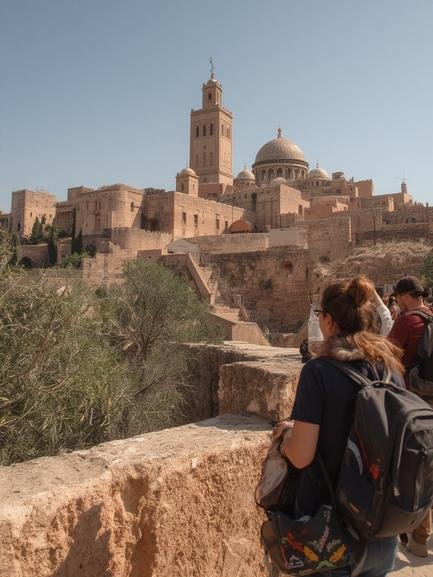 Here’s an example of a 7-day itinerary:
1. Day 1-2: Explore Marrakech’s vibrant souks and try some local street food.
2. Day 3: Take a cooking class and learn how to prepare traditional Moroccan dishes, a great way to experience Moroccan cuisine tasting.
3. Day 4-5: Visit the historic city of Fes and sample some of the local specialties.
4. Day 6-7: Relax in the coastal town of Essaouira and enjoy some fresh seafood.
5. Accommodation & Local Experiences
Morocco offers a wide range of accommodations, from riads and hotels to guesthouses and desert camps. For an authentic experience, consider staying in a riad or guesthouse, which can provide a glimpse into local life. Be sure to explore the local souks, visit a traditional hammam, and attend a cultural show or festival to get a deeper understanding of Moroccan culture.
6. Transport & Getting Around
Morocco has a well-developed transportation network, with trains, buses, and grand taxis connecting major cities. Rental cars are also available, but be aware that driving in Morocco can be challenging. Internal flights can be a convenient option for longer distances, such as between Marrakech and Dakhla.
7. Safety, Budget & Common Mistakes
To ensure a safe and enjoyable trip, be aware of common scams and overpriced tourist traps. Research your accommodations and transportation options thoroughly, and be mindful of your belongings, especially in crowded areas. Morocco can be a budget-friendly destination, but be prepared to haggle when shopping at souks and markets.
8. Best Time to Visit & Future Tourism Trends
The best time to visit Morocco depends on the region and your preferences. Spring (March to May) and autumn (September to November) are generally the best seasons, with mild temperatures and fewer tourists. Morocco is also becoming increasingly popular for eco-tourism, with many tour operators offering sustainable and responsible travel options.
9. Conclusion
In conclusion, a Morocco food tour is an excellent way to experience the country’s rich culture and history. By following the tips and guidelines outlined in this article, you can have a safe and enjoyable trip, and make the most of your Moroccan cuisine tasting experiences. Whether you’re a foodie, a history buff, or an adventure-seeker, Morocco has something to offer.
10. FAQs
1. What is the ideal budget for a week-long trip to Morocco?
The budget for a week-long trip to Morocco can vary depending on your travel style and accommodations. On average, you can expect to spend around $500-$1000 per person.
2. What is the best time to visit Morocco?
The best time to visit Morocco is during the spring (March to May) and autumn (September to November), when the temperatures are mild and there are fewer tourists.
3. How do I get around Morocco?
Morocco has a well-developed transportation network, with trains, buses, and grand taxis connecting major cities. You can also rent a car or take internal flights for longer distances.
4. Is Morocco safe for solo travelers?
Morocco is generally a safe country for solo travelers, but it’s always a good idea to take necessary precautions, such as being aware of your surroundings and keeping an eye on your belongings.
5. What are some key precautions for first-time visitors to Morocco?
Some key precautions for first-time visitors to Morocco include researching your accommodations and transportation options thoroughly, being mindful of local customs and dress codes, and being prepared to haggle when shopping at souks and markets.