

Discover the thrill of Morocco hiking as you explore the majestic Atlas mountains, vibrant souks, and breathtaking landscapes. For many travelers, Morocco is a paradise for adventure, cultural immersion, and relaxation, offering countless routes, itineraries, and tourist destinations to discover. Alongside the excitement of trekking High Atlas, Morocco’s diverse regions promise an unforgettable journey.
1. Introduction
Morocco is a country that captivates the senses, from the bustling streets of Marrakech to the serene Sahara Desert. As travelers seek new adventures and authentic experiences, Morocco hiking has become an increasingly popular activity, allowing visitors to immerse themselves in the country’s natural beauty. Meanwhile, trekking High Atlas offers thrilling trails for hikers of all levels. With its rich history, diverse landscapes, and welcoming culture, Morocco is a destination that promises something for everyone.
2. Travel Documents & Practical Info
Before embarking on your Moroccan adventure, it’s essential to prepare the necessary documents and practical information. Ensure your passport is valid for at least six months beyond your planned departure date, and check if you need a visa. The local currency is the Moroccan dirham, although euros and US dollars are widely accepted in tourist areas. Familiarize yourself with local customs, such as respecting Ramadan and dressing modestly when visiting mosques or rural areas. You can travel between cities using trains, buses, or grand taxis, and consider purchasing a city pass for convenient access to attractions.
3. Destination & Route Overview
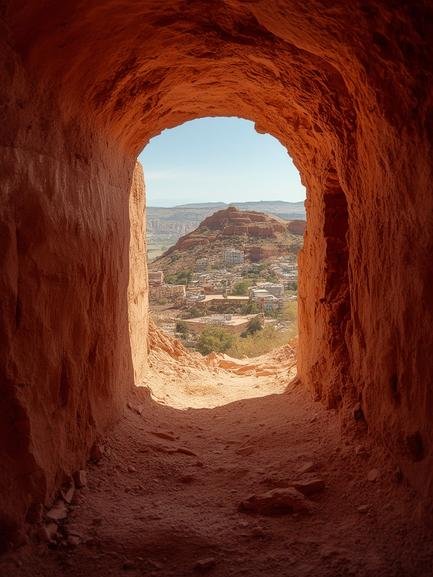
Morocco is a vast and diverse country, with different regions offering unique experiences. Marrakech is a vibrant city known for its bustling souks and rich history, while Fes is famous for its ancient medina and cultural heritage. The Atlas mountains provide a haven for hikers and trekkers, with the High Atlas range offering breathtaking scenery and challenging trails. The Sahara Desert is another must-visit destination, where you can experience the tranquility of the dunes and the warm hospitality of local Berber communities. When planning your trip, consider the best time to visit each region, as the climate can vary significantly.
4. Step-by-Step Itinerary / Travel Guide
For an unforgettable Morocco hiking experience, consider the following 7-day itinerary:
1. Day 1: Arrive in Marrakech and explore the vibrant souks and historic landmarks.
2. Day 2-3: Hike in the Atlas mountains, enjoying breathtaking scenery and local Berber culture.
3. Day 4: Travel to the Sahara Desert and experience the tranquility of the dunes.
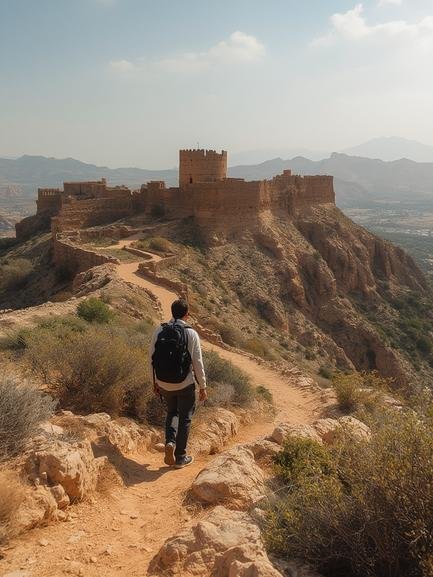
4. Day 5: Take a guided trek in the trekking High Atlas range, challenging yourself with scenic trails and stunning views.
5. Day 6-7: Return to Marrakech and relax in the city’s many riads and cafes.
This itinerary provides a mix of culture, adventure, and relaxation, and can be adjusted to suit your preferences and schedule.
5. Accommodation & Local Experiences
Morocco offers a range of accommodation options, from riads and hotels to guesthouses and desert camps. When choosing where to stay, consider the local culture and architecture, as well as the level of comfort and amenities you require. For an authentic experience, try staying in a riad or guesthouse, which can provide a glimpse into local life and hospitality. Be sure to explore the local souks, hammams, and restaurants, where you can sample delicious cuisine and engage with the friendly locals.
6. Transport & Getting Around
Morocco has a relatively well-developed transport network, with trains, buses, and grand taxis connecting major cities and towns. You can also rent cars or take internal flights to cover longer distances. When traveling between cities, consider the time, budget, and comfort required for each option. For example, trains are generally comfortable and relatively fast, while grand taxis can be more affordable and offer a local experience.
7. Safety, Budget & Common Mistakes
As with any travel destination, there are potential risks and common mistakes to avoid in Morocco. Be mindful of your belongings, especially in crowded areas and busy souks, and be cautious when using ATMs or exchanging currency. Be respectful of local customs and traditions, and avoid displaying affection in public or taking photos of sensitive areas. When budgeting, consider the cost of accommodation, food, and activities, and be prepared to haggle in souks and markets.
8. Best Time to Visit & Future Tourism Trends
The best time to visit Morocco depends on the region and your preferences. Spring (March to May) and autumn (September to November) are generally the best seasons, with mild temperatures and fewer crowds. Summer can be hot, especially in the desert regions, while winters can be cool and wet in the mountains. As for future tourism trends, Morocco is expected to continue developing its eco-tourism infrastructure, with a focus on sustainable practices and community-based projects. Keep an eye on new routes and destinations, such as the emerging surf spots along the Atlantic coast.
9. Conclusion
Morocco is a destination that offers something for everyone, from adventure and cultural immersion to relaxation and wellness. Whether you’re interested in Morocco hiking or trekking High Atlas, the country’s diverse landscapes and welcoming culture make it an ideal destination for travelers. By being informed, respectful, and open-minded, you can have a safe, enjoyable, and unforgettable experience in Morocco.
10. FAQs
1. What is the ideal budget for a week-long trip to Morocco?
The budget for a week-long trip to Morocco can vary significantly, depending on your accommodation choices, activities, and travel style. On average, you can expect to spend around €500-€1000 per person, including flights, accommodation, and food.
2. What is the best time to visit Morocco for hiking and trekking?
The best time to visit Morocco for hiking and trekking is during the spring (March to May) and autumn (September to November), when temperatures are mild and the weather is generally pleasant.
3. How do I move between cities in Morocco?
You can travel between cities in Morocco using trains, buses, or grand taxis. Trains are generally comfortable and relatively fast, while grand taxis can be more affordable and offer a local experience.
4. Is it safe for solo travelers to visit Morocco?
Morocco is generally a safe destination for solo travelers, although it’s always a good idea to take certain precautions, such as avoiding traveling alone at night and being mindful of your belongings.
5. What are some key precautions for first-time visitors to Morocco?
First-time visitors to Morocco should be aware of local customs and traditions, such as respecting Ramadan and dressing modestly when visiting mosques or rural areas. They should also be prepared to haggle in souks and markets, and be cautious when using ATMs or exchanging currency.