

Discover the ultimate Morocco transportation guide to navigate this vibrant country with ease. With its rich history, diverse culture, and breathtaking landscapes, Morocco is a traveler’s paradise. Whether you’re planning to explore the bustling souks of Marrakech, relax on the beaches of Agadir, or trek through the Atlas Mountains, understanding the local transportation options is key to a successful trip.
1. Introduction
Morocco is a country that seamlessly blends tradition with modernity, offering countless opportunities for adventure, cultural immersion, and relaxation. As you plan your trip, having a comprehensive Morocco transportation guide at your disposal will help you make the most of your journey. Additionally, understanding the various options for getting around Morocco will ensure that you can travel efficiently and enjoy all that this beautiful country has to offer.
2. Travel Documents & Practical Info
Before embarking on your Moroccan adventure, it’s essential to ensure you have all the necessary documents and information. First and foremost, make sure your passport is valid for at least six months beyond your intended stay. Depending on your nationality, you may also need a visa; check with the Moroccan embassy or consulate in your home country for the most up-to-date requirements. Other practical considerations include having local currency (dirhams) for when you arrive, as not all places accept credit cards. Familiarize yourself with local customs and dress modestly, especially when visiting rural areas or religious sites.
3. Destination & Route Overview
Morocco is a diverse country, with each region offering a unique blend of culture, history, and natural beauty. Marrakech, with its vibrant souks and stunning architecture, is a must-visit destination. Fes, the ancient capital, is known for its well-preserved medieval old city. Rabat, the current capital, offers a more laid-back atmosphere, with its beautiful beaches and historic sites. Tangier, located on the Strait of Gibraltar, has a rich history and a unique blend of cultures. Agadir is a popular beach destination, while the Sahara Desert and Atlas Mountains offer opportunities for trekking and adventure. The best time to visit Morocco depends on the region; spring (March to May) and autumn (September to November) are generally the best seasons, with mild temperatures and fewer tourists.
4. Step-by-Step Itinerary / Travel Guide
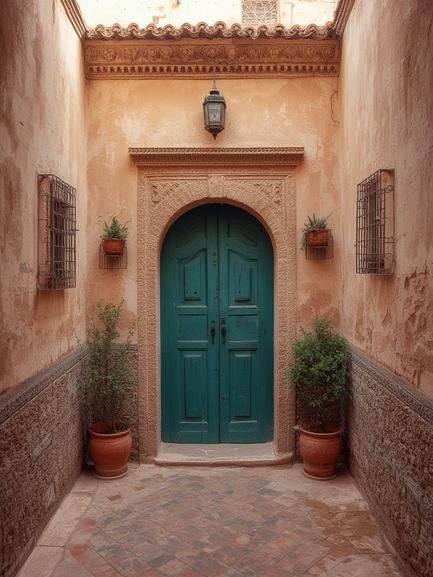
Here’s a suggested 7-day itinerary for exploring Morocco: Day 1-2: Marrakech – Explore the souks, visit the Koutoubia Mosque, and relax in a traditional riad. Day 3-4: Fes – Wander through the ancient medina, visit the Al-Attarine Madrasa, and enjoy local cuisine. Day 5: Rabat – Discover the Kasbah of the Udayas and the Hassan Tower. Day 6-7: Chefchaouen – Relax in this charming blue-painted town nestled in the Rif Mountains. To make the most of this itinerary, refer to a detailed Morocco transportation guide to plan your route and book your transport in advance. Understanding the options for getting around Morocco will also help you navigate between these destinations efficiently.
5. Accommodation & Local Experiences
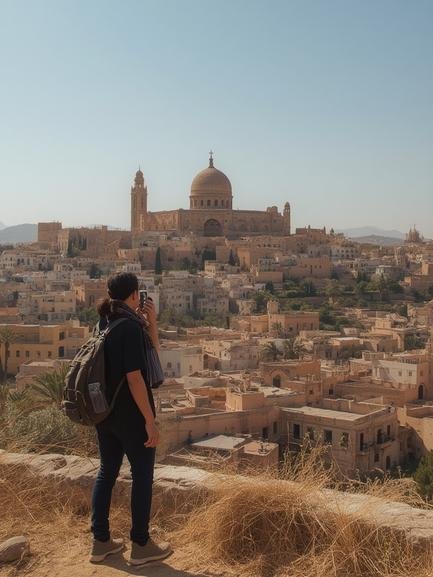
Morocco offers a wide range of accommodation options, from luxurious riads and hotels to cozy guesthouses and desert camps. For an authentic experience, consider staying in a riad in Marrakech or a traditional guesthouse in Fes. Don’t miss the opportunity to immerse yourself in local culture by visiting souks, relaxing in a hammam, enjoying traditional cuisine, and attending a cultural show. Guided tours and hikes are also great ways to explore Morocco’s natural beauty and historical sites.
6. 3. Transport & Getting Around
Morocco has a well-developed transportation network, making it relatively easy to get around. Trains are a comfortable and efficient way to travel between major cities like Marrakech, Fes, and Rabat. Buses are another affordable option, with both government-run and private companies operating across the country. Grand taxis are ideal for shorter journeys and can be shared with other travelers. For more flexibility, consider renting a car, especially if you plan to explore rural areas or the desert. Internal flights are also available for longer distances.
7. Safety, Budget & Common Mistakes
To ensure a smooth and enjoyable trip, be aware of common mistakes and risks. These include overpaying at souks, falling victim to scams, and underestimating distances or climate conditions. Always check reviews before choosing accommodation or tour operators, and be mindful of local customs to avoid cultural misunderstandings. By being informed and prepared, you can have a safe and memorable trip to Morocco.
8. Best Time to Visit & Future Tourism Trends
The best time to visit Morocco varies by region. Generally, spring and autumn are the best seasons, with pleasant weather and fewer tourists. Keep an eye on current and upcoming tourism trends, such as new routes, rising destinations, and major events. Eco-tourism is also on the rise, with more opportunities to explore Morocco’s natural beauty in a sustainable way.
9. Conclusion
Morocco is a country that has something for everyone, from vibrant cities to breathtaking natural landscapes. By following a comprehensive Morocco transportation guide, you can navigate this diverse country with ease. Remember to plan ahead, respect local customs, and take advantage of the various options for getting around Morocco to make the most of your trip.
10. FAQs
1. What is the ideal budget for a week-long trip to Morocco?
The budget for a week in Morocco can vary greatly depending on your travel style. On average, you can expect to spend between $500 to $1,500 per person for accommodation, food, and activities.
2. What is the best time to visit Morocco?
The best time to visit Morocco is during spring (March to May) and autumn (September to November), when the weather is mild and pleasant.
3. How do I move between cities in Morocco?
Morocco has a well-developed transportation network, including trains, buses, grand taxis, and rental cars. Trains are a comfortable and efficient way to travel between major cities.
4. What safety tips should solo travelers follow in Morocco?
Solo travelers should be aware of their surroundings, keep valuables secure, and avoid traveling alone at night. It’s also a good idea to stay in well-reviewed accommodations and be mindful of local customs.
5. What are some key precautions for first-time visitors to Morocco?
First-time visitors should be prepared for the local culture and customs, dress modestly, and be aware of potential scams. It’s also a good idea to learn a few basic Arabic phrases and to have some local currency on hand.