

Discover the Rich History and Culture of Morocco: A Comprehensive Travel Guide
Are you ready to embark on an unforgettable journey through Morocco, exploring its vibrant cities, historical landmarks, and breathtaking landscapes? As you plan your trip, you may wonder what experiences await you in this enchanting country. Visiting Morocco’s tourist sites, such as the Moulay Ismail Mausoleum, a revered Royal tomb, can be a highlight of your travels, offering a glimpse into the country’s rich history and cultural heritage. The focus keyword, “Morocco tourism,” and the related keyword, “Royal tomb,” will be your guides as you navigate the best destinations and experiences that Morocco has to offer, from cultural immersion to historical discoveries.
Travel Gear & Essentials
Before embarking on your Moroccan adventure, it’s crucial to pack the right gear and essentials. These include:
– Passport and travel documents (visa, if required)
– Travel insurance that covers Morocco
– Comfortable shoes suitable for walking and exploring
– Local SIM card or international roaming plan
– Moroccan currency (Dirhams) for initial expenses
– Navigation tools (GPS device, map, or a smartphone with a GPS app)
– Power adapter for Morocco (Type C, E, or F)
– Sunscreen, sunglasses, and a hat for sun protection
– Camera and charger to capture the stunning landscapes and historical sites
– Optional: hiking gear, snorkeling equipment, or a Morocco-specific travel guide
Timing / Travel Schedule
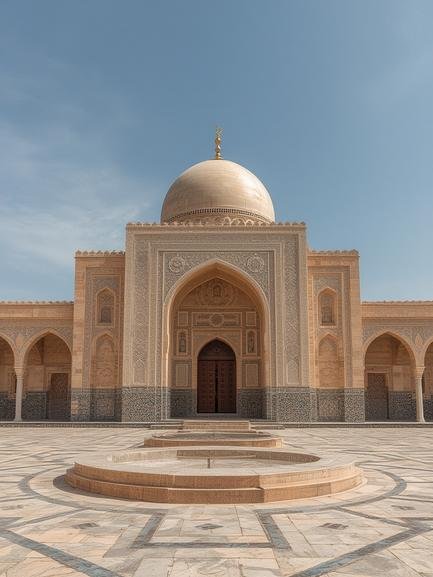
The best time to visit Morocco depends on your preferences and the regions you plan to explore. The country has a diverse climate, ranging from Mediterranean in the north to desert in the south. Spring (March to May) and autumn (September to November) are ideal for most travelers, offering mild temperatures and fewer tourists than the peak summer months. When planning your itinerary, consider the distance between destinations and the time needed to appreciate each site fully. For instance, visiting the Moulay Ismail Mausoleum in Meknes can be part of a day trip or a longer stay, depending on your travel pace.
Step-by-Step Travel Guide
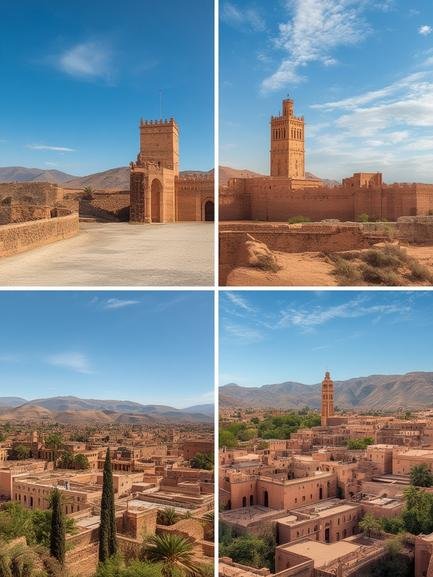
Planning a trip to Morocco involves several steps:
1. Research and Itinerary Planning: Decide on the destinations you wish to visit, including historical sites like the Moulay Ismail Mausoleum, a significant Royal tomb, and create a daily itinerary.
2. Booking Flights and Accommodation: Secure your flights to and from Morocco, and book your accommodation in advance, especially during peak travel seasons.
3. Transportation: Choose your transportation methods between cities, such as trains, buses, or rental cars, considering factors like cost, convenience, and scenic routes.
4. Cultural Preparation: Learn about Moroccan culture and customs to enhance your experience and show respect for local traditions.
By following these steps and focusing on “Morocco tourism” opportunities, such as visiting historical sites and exploring vibrant cities, you’ll be well-prepared for your journey. Don’t forget to include visits to significant historical landmarks, like a Royal tomb, in your travel plans.
Travel Benefits / Cultural Advantages
Morocco offers a unique blend of cultural immersion, historical discoveries, and natural beauty, making it an attractive destination for travelers. You can:
– Explore the bustling souks and historic medinas of cities like Marrakech and Fez.
– Visit historical sites, including the Moulay Ismail Mausoleum, to gain insights into Morocco’s rich history.
– Enjoy the diverse landscapes, from the Atlas Mountains to the Sahara Desert.
– Experience the warm hospitality of the Moroccan people and learn about their customs and traditions.
Tips, Alternative Routes, or Travel Advice
Morocco caters to various travel styles and preferences. Consider:
– Luxury tours for a comfortable and guided experience.
– Backpacking for a more adventurous and budget-friendly journey.
– Coastal routes for a relaxing beach experience.
– Desert treks for an adrenaline-packed adventure.
Tailor your trip according to your budget, interests, and physical abilities to make the most of your Moroccan adventure.
Common Travel Mistakes to Avoid
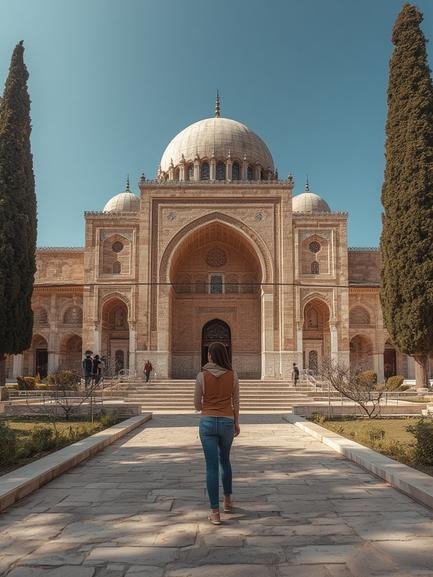
To ensure a smooth journey, avoid common mistakes such as:
– Not respecting local customs and dress codes.
– Underestimating the importance of bargaining in markets.
– Not staying hydrated, especially in the desert.
– Ignoring local advice on safety and security.
Accommodation / Local Experiences Tips
Morocco offers a range of accommodation options, from riads and hotels to desert camps. To enhance your experience:
– Learn local dining etiquette and try traditional cuisine.
– Respect cultural norms, especially when visiting religious sites.
– Plan ahead for transportation between cities and sites.
– Consider staying in different regions to experience the diversity of Morocco.
Conclusion
In conclusion, Morocco is a destination that offers something for every traveler, from its rich history and culture to its stunning natural landscapes. By focusing on “Morocco tourism” and including visits to significant sites like a Royal tomb in your itinerary, you can have a fulfilling and memorable trip. As you plan your travels, remember to include the Moulay Ismail Mausoleum and other historical landmarks, highlighting the importance of “Morocco tourism” and the value of visiting a Royal tomb. We encourage you to share your travel experiences and explore more destination guides.
FAQs
1. What are the must-visit destinations in Morocco?
Morocco is home to numerous attractions, including the vibrant city of Marrakech, the historical city of Fez, and the stunning Moulay Ismail Mausoleum.
2. Is Morocco safe for tourists?
Generally, Morocco is considered safe for tourists. However, it’s always wise to take normal precautions to ensure your safety.
3. What is the best way to get around Morocco?
The best transportation method depends on your itinerary and budget. Trains are convenient for major cities, while buses and rental cars offer more flexibility.
4. What should I pack for a trip to Morocco?
Essentials include comfortable shoes, sun protection, a power adapter, and layers for varying temperatures.
5. How can I respect local culture during my visit?
Dress modestly, learn a few basic Arabic phrases, and be mindful of local customs and traditions, especially when visiting religious sites.