

Morocco Accommodation Types: 7 Tips for an Unforgettable Journey in 2025
Discover the magic of Morocco with our comprehensive guide to Morocco accommodation types, covering various travel itineraries, tourist routes, and historical places. Whether you’re seeking adventure, cultural immersion, or relaxation, Morocco has something for everyone. In this article, we’ll explore the best ways to experience this enchanting country, from its vibrant cities to its serene desert landscapes, and introduce you to the diverse range of guesthouses and hostels Morocco has to offer.
1. Introduction
Morocco is a treasure trove of experiences, with its rich history, diverse culture, and breathtaking landscapes. As you plan your trip, understanding the various Morocco accommodation types is essential to making the most of your journey. From luxurious riads to cozy guesthouses and hostels Morocco, the choices are vast and varied. In this guide, we’ll walk you through the essentials of traveling in Morocco, helping you navigate the best routes, accommodations, and experiences.
2. Travel Documents & Practical Info
Before embarking on your Moroccan adventure, it’s crucial to be prepared with the necessary documents and information. Ensure your passport is valid for at least six months beyond your planned departure date, and check if you need a visa. The local currency is the Moroccan dirham, although euros and credit cards are widely accepted in tourist areas. Familiarize yourself with local customs, such as dressing modestly and respecting Ramadan. Morocco offers various transport options, including trains, buses, and grand taxis, making it relatively easy to get around.
3. Destination & Route Overview
Morocco is a diverse country, with each region offering a unique experience. Marrakech is known for its vibrant souks and rich history, while Fes boasts ancient medinas and cultural landmarks. Rabat, the capital, offers a blend of modernity and tradition, and Tangier is famous for its coastal scenery and bohemian vibe. The Sahara Desert and Atlas Mountains provide opportunities for trekking and adventure. Understanding the differences between these destinations will help you plan your itinerary.
4. Step-by-Step Itinerary / Travel Guide
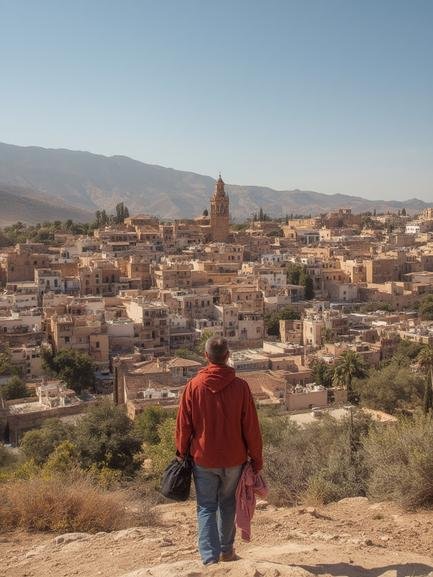
To experience the best of Morocco, consider a 7-day itinerary that includes Marrakech, Fes, and the Sahara Desert. Day one: Explore Marrakech’s medina and souks. Day two: Visit the Bahia Palace and enjoy a traditional hammam experience. Day three: Travel to Fes and discover its ancient medina. Day four: Visit the Al-Attarine Madrasa and explore Fes’s vibrant souks. Day five: Journey to Merzouga and experience the Sahara Desert. Day six: Enjoy a camel ride at sunrise and relax in a desert camp. Day seven: Return to Marrakech, reflecting on your journey. When planning your trip, choosing the right Morocco accommodation types is vital, and considering guesthouses and hostels Morocco can add a unique touch to your adventure.
5. Accommodation & Local Experiences
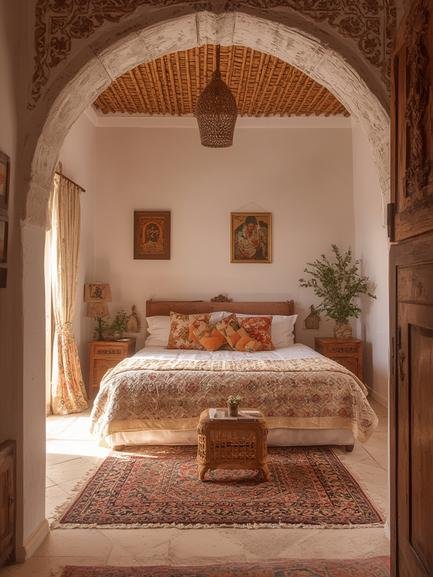
Morocco offers a wide range of accommodations, from luxurious riads and hotels to cozy guesthouses and desert camps. Riads, traditional Moroccan houses with interior gardens, provide an authentic and intimate experience. Guesthouses and hostels are ideal for meeting fellow travelers and enjoying local hospitality. For a truly immersive experience, consider staying in a desert camp or a mountain lodge. Don’t miss out on local experiences such as exploring souks, enjoying traditional cuisine, and attending cultural shows.
6. Transport & Getting Around
Morocco has a well-developed transport network, making it easy to travel between cities and regions. Trains are efficient and comfortable, connecting major cities like Marrakech, Fes, and Rabat. Buses are a more affordable option, while grand taxis offer a convenient way to travel shorter distances. Rental cars provide flexibility, especially for exploring rural areas. Internal flights can save time for longer distances, such as traveling to the Sahara Desert.
7. Safety, Budget & Common Mistakes
To ensure a smooth and enjoyable trip, be aware of common mistakes and risks. Be cautious of scams and overpaying, especially in tourist areas. Always check reviews and prices before making a booking. Be respectful of local customs and traditions, and stay informed about local conditions. Budgeting wisely and planning ahead can help you avoid unnecessary expenses and stress.
8. Best Time to Visit & Future Tourism Trends
The best time to visit Morocco depends on the region. Spring (March to May) and autumn (September to November) are ideal for most areas, offering pleasant temperatures and fewer crowds. Summer can be hot, especially in the desert, while winters are mild in the south but cooler in the mountains. Morocco is embracing eco-tourism and sustainable travel practices, with new routes and destinations emerging. Staying informed about these trends can help you plan a more unique and responsible trip.
9. Conclusion
Morocco is a country that offers something for every traveler, from its rich cultural heritage to its breathtaking natural landscapes. By understanding the different Morocco accommodation types and considering guesthouses and hostels Morocco, you can tailor your trip to your preferences. Whether you’re seeking adventure, relaxation, or cultural immersion, Morocco is a destination that promises an unforgettable journey.
10. FAQs
Q: What is the ideal budget for a week-long trip to Morocco?
A: The budget for a week in Morocco can vary greatly depending on your travel style, accommodations, and activities. On average, you can expect to spend between $500 to $1,500 per person for a mix of budget-friendly and mid-range options.
Q: When is the best time to visit Morocco?
A: The best time to visit Morocco is during spring (March to May) and autumn (September to November), when the weather is pleasant and there are fewer tourists.
Q: How do I get around Morocco?
A: Morocco has a well-developed transport network, including trains, buses, grand taxis, and rental cars. The choice depends on your budget, time constraints, and personal preference.
Q: Is Morocco safe for solo travelers?
A: Morocco is generally safe for solo travelers, but it’s always wise to take common-sense precautions, such as avoiding traveling alone at night and being aware of your surroundings.
Q: What are some key precautions for first-time visitors to Morocco?
A: First-time visitors should be aware of local customs, dress modestly, respect Ramadan, and be cautious of scams. Staying informed and planning ahead can greatly enhance your experience.
[…] Morocco Accommodation Types: 7 Tips for an Unforgettable Journey in 2025 […]