

Berber Homestay Experience 7 Tips for an Unforgettable Moroccan Adventure
Discover the magic of Morocco with a Berber homestay experience that will transport you to a world of rich culture and breathtaking landscapes. As you plan your trip to this enchanting country, you’ll want to make the most of your time exploring its diverse destinations and immersing yourself in local traditions. A homestay in Morocco offers a unique opportunity to connect with the Berber community and experience their hospitality firsthand.
1. Introduction
As you embark on your Moroccan journey, you’ll be greeted by a kaleidoscope of colors, flavors, and sounds that will leave you spellbound. Morocco, a land of diverse landscapes and rich cultural heritage, is a destination that has something for every kind of traveler. Whether you’re an adventure seeker, a culture vulture, or simply looking to unwind in a beautiful setting, Morocco has it all. A Berber homestay experience allows you to delve into the heart of Berber culture, while a homestay in Morocco provides an immersive experience that will stay with you forever. With its unique blend of Arab, Berber, and French influences, Morocco is a country that seamlessly blends tradition with modernity.
2. Travel Documents & Practical Info
Before you set off on your Moroccan adventure, it’s essential to ensure you have all the necessary documents and practical information. First and foremost, you’ll need a valid passport with at least six months’ validity. Depending on your nationality, you may also require a visa, so be sure to check the Moroccan government’s visa requirements. Other essential items to consider include travel insurance, a valid ID, and any necessary vaccinations. Familiarize yourself with the local currency, the dirham, and have some cash handy for when you arrive. You can exchange currency at the airport or withdraw dirhams from an ATM once you arrive.
3. Destination & Route Overview
Morocco is a vast and diverse country, with a range of destinations to suit every interest and travel style. From the bustling streets of Marrakech to the tranquil beauty of the Atlas Mountains, each region has its unique charm and attractions. The imperial cities of Fes and Meknes offer a glimpse into Morocco’s rich history, while the coastal towns of Essaouira and Taghazout provide a relaxing beach experience. If you’re looking for adventure, the Sahara Desert and the Atlas Mountains offer endless opportunities for trekking, hiking, and exploring. 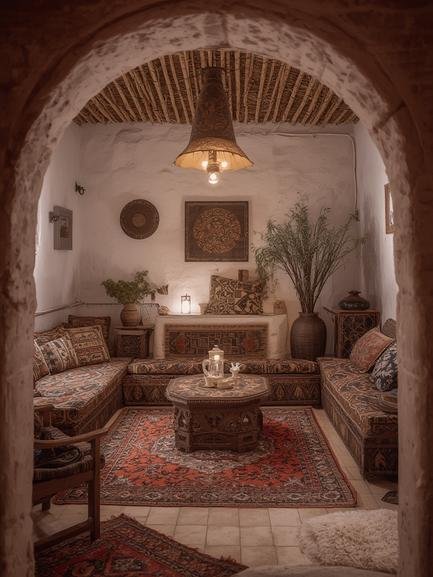
4. Step-by-Step Itinerary / Travel Guide
For a truly unforgettable Berber homestay experience, consider embarking on a journey through the Atlas Mountains, where you’ll have the opportunity to stay with a local Berber family and immerse yourself in their daily life. Your homestay in Morocco will provide a unique chance to learn about Berber traditions and enjoy local hospitality. Here’s a suggested 7-day itinerary:
1. Day 1: Arrive in Marrakech and explore the city’s vibrant souks and historic landmarks.
2. Day 2: Travel to the Atlas Mountains and check into your Berber homestay.
3. Day 3: Spend the day hiking and exploring the surrounding countryside with your host family.
4. Day 4: Visit a local cooperative to learn about traditional Berber crafts.
5. Day 5: Enjoy a traditional Moroccan meal and participate in a local celebration.
6. Day 6: Continue your journey through the Atlas Mountains, stopping at scenic viewpoints and villages.
7. Day 7: Return to Marrakech, bringing back memories of your unforgettable Berber homestay experience. 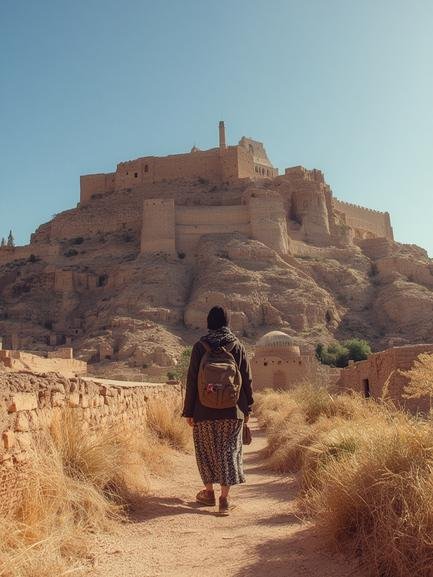
5. Accommodation & Local Experiences
When it comes to accommodation, Morocco offers a wide range of options to suit every budget and preference. From luxurious riads to cozy guesthouses and desert camps, you’ll find the perfect place to rest your head. For an authentic experience, consider staying in a riad or a traditional guesthouse, where you can enjoy local hospitality and cuisine. Be sure to explore the local souks, where you can haggle for handicrafts and souvenirs, and indulge in delicious street food. For a truly immersive experience, consider participating in a cooking class, where you can learn the secrets of traditional Moroccan cuisine.
6. Transport & Getting Around
Morocco has a well-developed transport network, making it easy to get around. Trains are a convenient and comfortable way to travel between major cities, while buses and grand taxis provide a more affordable option. If you prefer to drive, rental cars are readily available, but be aware that driving in Morocco can be challenging, especially in urban areas. Internal flights are also an option, connecting major cities and tourist destinations.
7. Safety, Budget & Common Mistakes
As with any travel destination, it’s essential to be aware of potential risks and take necessary precautions. Be mindful of your surroundings, especially in crowded areas, and keep an eye on your belongings. Avoid carrying large amounts of cash and use reputable taxi services or ride-sharing apps. When it comes to budget, Morocco can be an affordable destination, but be prepared to haggle when shopping at souks and markets. Some common mistakes to avoid include underestimating the climate, not checking reviews before booking accommodation, and not respecting local customs.
8. Best Time to Visit & Future Tourism Trends
The best time to visit Morocco depends on your destination and preferences. Spring (March to May) and autumn (September to November) are ideal for exploring the cities and countryside, while summer is perfect for beachgoers. Winter is a great time to visit the Sahara Desert, where the temperatures are mild and the landscapes are breathtaking. As for future tourism trends, Morocco is expected to continue its growth in ecotourism, with a focus on sustainable practices and community-based tourism initiatives.
9. Conclusion
Morocco is a destination that will capture your heart and leave you wanting more. With its rich cultural heritage, stunning landscapes, and warm hospitality, it’s a country that has something for every kind of traveler. A Berber homestay experience offers a unique opportunity to connect with the local community and experience their traditions firsthand. By choosing a homestay in Morocco, you’ll be supporting local families and contributing to the local economy.
10. FAQs
1. Q: What is the ideal budget for a week-long trip to Morocco?
A: The budget for a week-long trip to Morocco can vary greatly depending on your travel style and accommodation choices. On average, you can expect to spend around €500-€1000 per person for a mid-range budget.
2. Q: What is the best time to visit Morocco?
A: The best time to visit Morocco depends on your destination and preferences. Spring (March to May) and autumn (September to November) are ideal for exploring the cities and countryside.
3. Q: How do I move between cities in Morocco?
A: Morocco has a well-developed transport network, with trains, buses, grand taxis, and internal flights connecting major cities and tourist destinations.
4. Q: Is Morocco safe for solo travelers?
A: Morocco is generally a safe destination for solo travelers, but it’s always a good idea to take necessary precautions, such as being aware of your surroundings and keeping an eye on your belongings.
5. Q: What are some key precautions for first-time visitors to Morocco?
A: Some key precautions for first-time visitors to Morocco include respecting local customs, dressing modestly, and being prepared for the climate.