
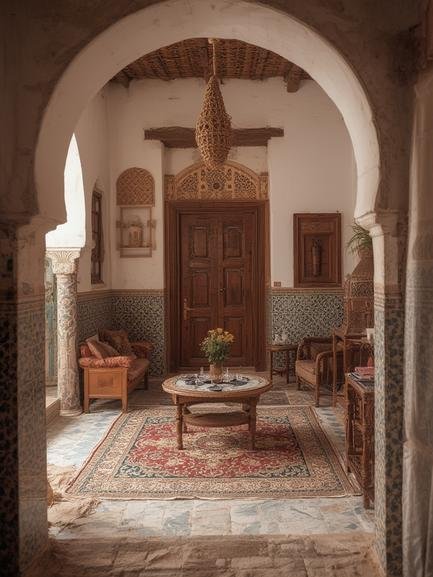

Morocco is a treasure trove of cultural experiences, with its vibrant cities, ancient medinas, and stunning landscapes. For culture lovers and tourists alike, cultural tours in Morocco provide an immersive experience into the country’s rich history and traditions. When combined with Morocco tourism trends, visitors can gain a deeper understanding of the local way of life.
History & Cultural Background
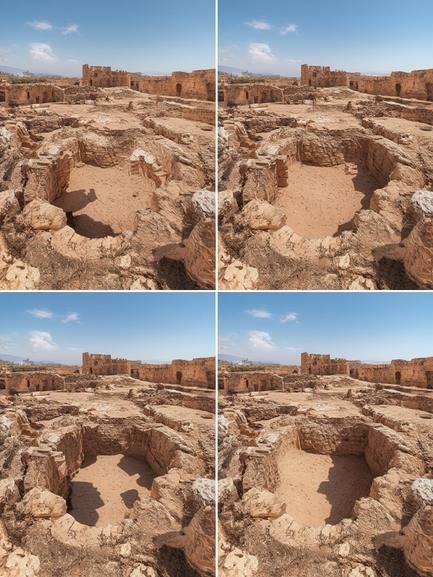
Morocco’s cultural heritage is shaped by its strategic location at the crossroads of Africa, Europe, and the Arab world. The country’s history dates back to the ancient Berber kingdoms, followed by the Islamic conquest, and later, the French and Spanish colonial periods. This blend of influences has resulted in a unique cultural identity that is reflected in its architecture, cuisine, and traditions.
Architectural Highlights & Key Features
The architectural landscape of Morocco is characterized by its use of vibrant colors, intricate tile work, and ornate carvings. The country’s medinas, or old cities, are filled with historic landmarks such as mosques, madrasas, and palaces. The blend of Islamic, Arabic, and Berber styles creates a visually stunning and culturally rich environment.
Best Time to Visit & Practical Information
The best time to visit Morocco is during the spring (March to May) and autumn (September to November), when the weather is mild and pleasant. Visitors should dress modestly, especially when visiting mosques or rural areas. cultural tours in Morocco can be tailored to suit different interests and budgets. For those interested in Morocco travel guides, there are many resources available.
Step-by-Step Exploration Guide
A typical cultural tours in Morocco itinerary might include a visit to the ancient city of Fez, followed by a stroll through the vibrant souks of Marrakech. Along the way, visitors can sample local delicacies and experience the warm hospitality of the Moroccan people. This is often complemented by insights into Moroccan cultural heritage.
Nearby Attractions, Food & Accommodation
Visitors can explore nearby attractions such as the Chefchaouen blue city, the coastal town of Essaouira, or the Sahara Desert. For accommodation, there are many options ranging from luxury riads to budget-friendly guesthouses. Local cuisine is a fusion of Arabic, Mediterranean, and Berber flavors, with popular dishes such as tagine, couscous, and pastilla.
Travel Tips & Common Mistakes to Avoid
When visiting Morocco, it’s essential to be respectful of local customs and traditions. Visitors should avoid taking pictures of people without permission, remove their shoes when entering mosques or homes, and be prepared to haggle when shopping at souks.
Conclusion
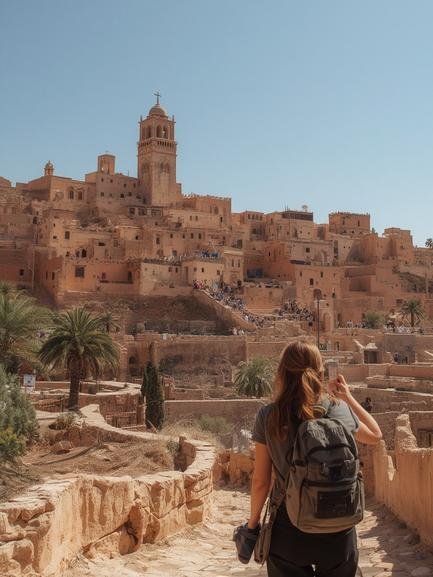
In conclusion, cultural tours in Morocco offer a unique and enriching experience, allowing visitors to explore the country’s rich cultural heritage. By combining cultural insights with Morocco travel tips, tourists can create unforgettable memories.
FAQs
- Q: Are cultural tours in Morocco safe for solo travelers?
A: Yes, most cultural tours are designed with safety in mind, and many tour operators cater specifically to solo travelers.
- Q: How long do cultural tours in Morocco typically last?
A: Tours can range from a few days to several weeks, depending on the itinerary and travel style.
- Q: Can I customize my cultural tour in Morocco?
A: Yes, many tour operators offer tailor-made tours that can be adapted to suit your interests and preferences.
- Q: Are there any photography restrictions during cultural tours in Morocco?
A: Yes, visitors should be respectful of local customs and avoid taking pictures of people or sensitive areas without permission.
- Q: What is the best way to get around during cultural tours in Morocco?
A: The most common modes of transportation are taxis, buses, and private transfers, depending on the tour itinerary.