

Morocco Day Trips from Casablanca: 7 Unforgettable Adventures
Morocco day trips from Casablanca offer a unique blend of culture, history, and natural beauty, making them an ideal way to experience the essence of Morocco. Whether you’re looking for adventure, cultural immersion, or relaxation, excursions from Casablanca have got you covered.
1. Introduction
Embarking on a journey through Morocco can be a thrilling experience, with Morocco day trips from Casablanca being an excellent starting point. Morocco, a country known for its rich history, vibrant culture, and breathtaking landscapes, is a treasure trove of travel experiences. As you plan your trip, understanding the essence of excursions from Casablanca can help you make the most of your time in this beautiful country.
2. Travel Documents & Practical Info
Before diving into the adventure, it’s essential to be prepared with the right documents and practical information. Travelers to Morocco need a valid passport, and depending on their nationality, possibly a visa. Understanding the local currency (Dirham) and having some cash on hand is also advisable. Morocco offers various transport options, including trains, buses, and grand taxis, making it relatively easy to get around. Safety tips include being mindful of your belongings, especially in crowded areas, and respecting local customs and dress codes. City passes and guided tours can enhance your experience, offering insights into Morocco’s history and culture.
3. Destination & Route Overview
Morocco is a diverse country, with each region offering a unique experience. Marrakech, known for its vibrant souks and historical sites, is a popular destination. Fes, with its ancient medina, provides a glimpse into Morocco’s rich history. Rabat, the capital, combines modernity with historical significance. Tangier, on the coast, offers a blend of African, Arab, and European influences. The Sahara Desert and the Atlas Mountains are perfect for adventure seekers. Understanding the distances and travel times between these destinations is crucial for planning. For instance, Marrakech is about 3 hours from Casablanca by train, while the Sahara Desert is a longer journey, often requiring overnight stays.
4. Step-by-Step Itinerary / Travel Guide
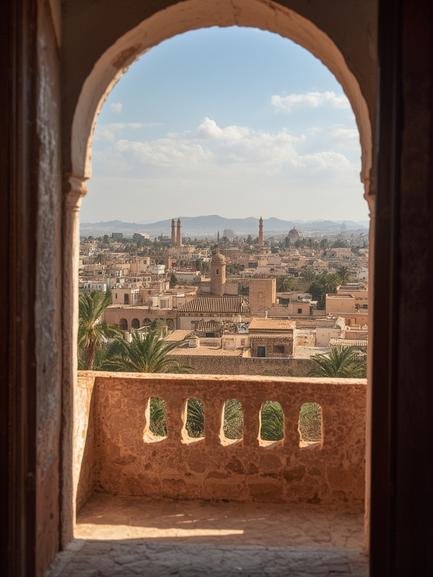
For those looking to explore beyond Casablanca, Morocco day trips from Casablanca offer a range of possibilities. A day trip to Rabat, for example, can include visits to the Royal Palace, the Hassan Tower, and the Kasbah of the Udayas. Alternatively, a trip to the coastal town of Mohammedia can provide a relaxing day by the sea. When planning excursions from Casablanca, consider the travel time, must-see sites, and local experiences you wish to have.
1. Start your day early to make the most of your time.
2. Choose a destination that suits your interests and travel time.
3. Pack accordingly, considering the climate and activities.
4. Stay hydrated and bring necessary items like sunscreen and a hat.
5. Engage with locals to enrich your cultural experience.
5. Accommodation & Local Experiences
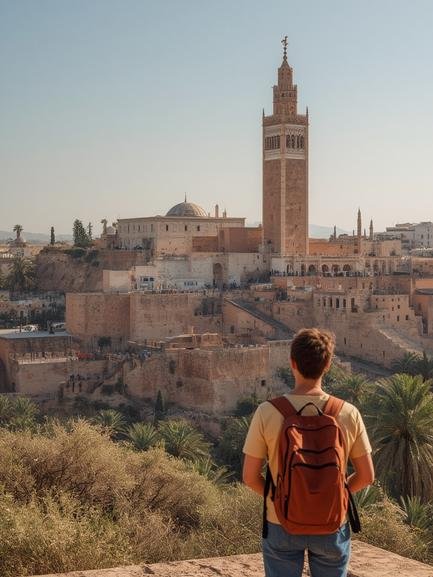
Morocco offers a wide range of accommodations, from riads and hotels to guesthouses and desert camps. For an authentic experience, consider staying in a riad in Marrakech or a desert camp in the Sahara. Local experiences include exploring souks, relaxing in a hammam, enjoying traditional Moroccan cuisine, and watching cultural shows. Guided tours and hikes can also provide a deeper understanding of Morocco’s landscapes and culture.
6. Transport & Getting Around
Morocco’s transport network is well-developed, with trains connecting major cities like Casablanca, Marrakech, and Rabat. Buses and grand taxis are other options, offering affordability and flexibility. Rental cars provide the freedom to explore at your own pace, while internal flights can save time for longer distances. Understanding the transport options and planning ahead can make your journey smoother.
7. Safety, Budget & Common Mistakes
To ensure a safe and enjoyable trip, be aware of common scams and overpriced services. Researching and booking through reputable sources can help avoid these issues. Budgeting for your trip involves considering transport, accommodation, food, and activities. Being mindful of cultural norms and dressing appropriately can also enhance your experience. Common mistakes include underestimating travel times and not checking the weather forecast.
8. Best Time to Visit & Future Tourism Trends
The best time to visit Morocco depends on the region. Spring (March to May) and autumn (September to November) are generally pleasant across the country. Summer can be hot, especially in the desert, while winters are mild in the south but cooler in the north. Morocco is embracing eco-tourism and sustainable practices, with new routes and destinations emerging. Major events like the Marrakech International Film Festival attract visitors from around the world.
9. Conclusion
In conclusion, Morocco day trips from Casablanca and excursions from Casablanca offer a gateway to the diverse experiences Morocco has to offer. By planning carefully, respecting local culture, and being open to new experiences, travelers can have a rich and memorable journey.
10. FAQs
1. What is the ideal budget for a week-long trip to Morocco?
A budget of around $500-$1000 per person can cover basic expenses, including accommodation, food, and transport, depending on your travel style.
2. When is the best time to visit Morocco?
Spring (March to May) and autumn (September to November) are considered the best times to visit, offering pleasant weather across most regions.
3. How do I move between cities in Morocco?
Trains, buses, and grand taxis are convenient options for inter-city travel. Rental cars offer flexibility, while internal flights are available for longer distances.
4. What safety tips are there for solo travelers in Morocco?
Solo travelers should be mindful of their belongings, avoid traveling alone at night, and respect local customs.
5. What are key precautions for first-time visitors to Morocco?
First-time visitors should research their destinations, understand local customs, and be prepared for variable weather conditions.