

Are you ready to embark on an unforgettable journey through the vibrant landscapes and rich cultural heritage of Morocco? As you plan your trip, you may wonder what secrets this enchanting country holds. With its blend of Arabic, Berber, and French influences, Morocco is a treasure trove of experiences waiting to be uncovered. In this guide, we’ll explore the essence of Morocco tourism, from the bustling alleys of the Meknes Souk to the serene beauty of its natural landscapes, and provide you with the tools to navigate this incredible Traditional market and beyond.
Travel Gear & Essentials
Before you set off on your Moroccan adventure, it’s crucial to pack the right gear and essentials. Here’s a list to get you started:
– Passport and travel insurance documents
– Comfortable shoes and clothing suitable for the season
– Local SIM card or international roaming plan
– Moroccan currency (Dirhams) for initial expenses
– Navigation tools such as a GPS device or a map
– Power adapter for Morocco (Type C, E, or F)
– Camera and charger to capture the stunning landscapes
– Reusable water bottle to stay hydrated
– Snacks and energy bars for quick energy boosts
– Optional: guidebook, phrasebook, or a portable Wi-Fi hotspot
Timing / Travel Schedule
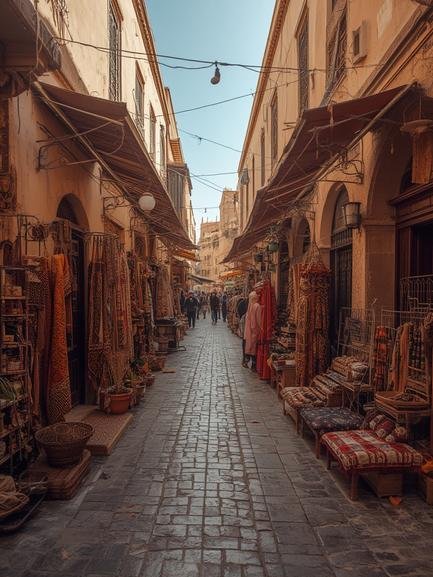
Planning your trip according to Morocco’s climate and tourist seasons can greatly enhance your experience. The best time to visit Morocco is during spring (March to May) and autumn (September to November), when the weather is mild and pleasant. Peak tourist season is June through August, with July being the busiest month. If you prefer fewer crowds, consider visiting during the shoulder season. Morocco’s diverse terrain means that the climate varies significantly from the coast to the desert, so it’s essential to research the specific regions you plan to visit.
Step-by-Step Travel Guide
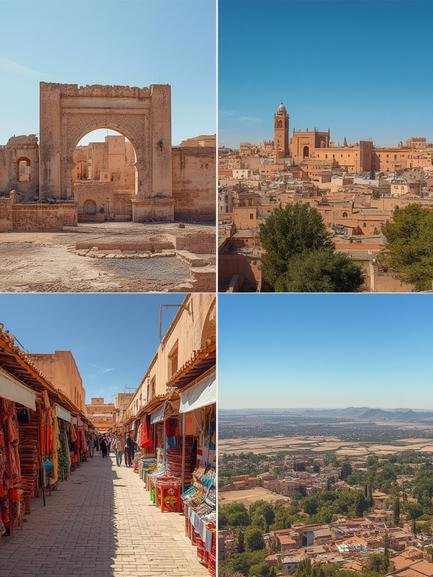
To ensure a smooth and enjoyable trip to Morocco, follow these steps:
1. Plan Your Itinerary: Decide on the destinations you want to visit, considering the time of year and travel distances. Include iconic sites like Marrakech, Fez, and the Meknes Souk, as well as natural wonders such as the Sahara Desert and the Atlas Mountains.
2. Book Your Accommodations: Choose riads, hotels, or camps that suit your budget and preferences. Booking in advance is recommended, especially during peak season.
3. Arrange Transportation: Research transportation options between cities, such as trains, buses, or private transfers. Within cities, you can walk, use taxis, or ride-hailing apps.
4. Prepare for Cultural Immersion: Morocco is known for its rich cultural heritage and vibrant Traditional market. Be prepared to haggle at markets, try local cuisine, and respect local customs.
By following these steps and being mindful of your surroundings, you can have a rewarding experience exploring Morocco’s tourist destinations.
Travel Benefits / Cultural Advantages
Morocco offers a wide range of experiences that can enrich your travel. From the bustling souks to the tranquil desert landscapes, you can immerse yourself in a unique cultural blend, discover historical sites like the ancient medinas, and marvel at the natural beauty of the country. Whether you’re looking for adventure, relaxation, or personal growth, Morocco has something to offer.
Tips, Alternative Routes, or Travel Advice
Morocco is versatile, allowing for various travel styles and itineraries. You can opt for a luxury tour or backpacking adventure, explore the coastal routes or venture into the desert, and choose between city tours or rural explorations. Consider your budget, physical ability, and interests when planning. For history buffs, a focus on historical sites like Fez and Marrakech might be ideal. Nature lovers might prefer the Atlas Mountains or the Sahara.
Common Travel Mistakes to Avoid
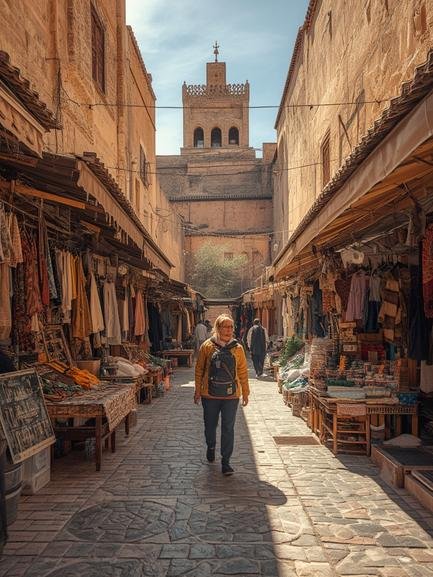
To ensure a hassle-free trip, be aware of common mistakes such as:
– Not respecting local customs and dress codes
– Underestimating travel times between destinations
– Not bargaining at markets
– Ignoring local advice on safety and security
– Not staying hydrated in the desert or during intense physical activities
Accommodation / Local Experiences Tips
Morocco offers a variety of accommodations, from riads and hotels to desert camps. When dining, be sure to follow local etiquette, such as eating with your right hand and trying a variety of dishes. Transportation between sites can be by car, bus, or train, depending on your itinerary. Cultural respect is key; dress modestly and be mindful of local customs. For long-term travel, consider the diversity of regions and plan accordingly.
Conclusion
In conclusion, Morocco is a destination that offers a rich tapestry of experiences, from the vibrant markets like the Meknes Souk to the serene desert landscapes, making it an ideal location for cultural immersion and Traditional market exploration. By planning carefully, respecting local customs, and being open to new experiences, you can have a truly unforgettable journey. We encourage you to start planning your trip and share your stories with fellow travelers.
FAQs
1. What are the must-visit destinations in Morocco?
Morocco is home to numerous iconic sites, including Marrakech, Fez, the Sahara Desert, and the Meknes Souk. Each offers a unique blend of culture, history, and natural beauty.
2. Is Morocco safe for tourists?
Generally, Morocco is considered safe for tourists. However, it’s always wise to take common-sense precautions, such as being aware of your surroundings and respecting local customs.
3. What is the best way to get around Morocco?
The best transportation method depends on your itinerary and budget. Trains are efficient for long distances, while taxis and ride-hailing apps are convenient within cities.
4. How should I dress when visiting Morocco?
Morocco is a conservative country. Dress modestly, covering your shoulders and knees, especially when visiting mosques or rural areas.
5. Can I haggle at markets in Morocco?
Yes, haggling is a common practice at Traditional market and souks. Be prepared to negotiate prices with a smile and a respectful attitude.