

Discover the Ultimate travel to Morocco Experience: A Comprehensive Guide
Are you ready to immerse yourself in the vibrant culture, rich history, and breathtaking landscapes of Morocco? With its diverse tourist destinations, historical sites, and stunning natural beauty, Morocco is a traveler’s paradise. As you plan your trip, you’ll want to know the best ways to explore this fascinating country, making the most of your Morocco travel guide and “Morocco tourism” experiences.
Travel Gear & Essentials
To ensure a smooth and enjoyable journey, it’s essential to be well-prepared with the right travel gear and essentials. Here’s a list of must-haves for your trip to Morocco:
– Passport and visa (if required)
– Travel insurance
– Comfortable shoes for walking
– Local SIM card or international roaming plan
– Moroccan currency (MAD) for initial expenses
– Credit cards and/or debit cards
– Navigation tools (GPS, map, compass)
– Power adapter for charging electronic devices (Type C, E, F)
– Sunscreen, sunglasses, and sun hat for protection
– Lightweight clothing for warm weather
– Warm layers for cooler evenings in the mountains
– Rain gear (umbrella, raincoat) for unexpected showers
– Backpack or daypack for carrying essentials during the day
– Reusable water bottle
– Snacks (especially if you have specific dietary needs or preferences)
– Optional items: portable Wi-Fi hotspot, portable charger, travel pillow, and earplugs.
Timing / Travel Schedule
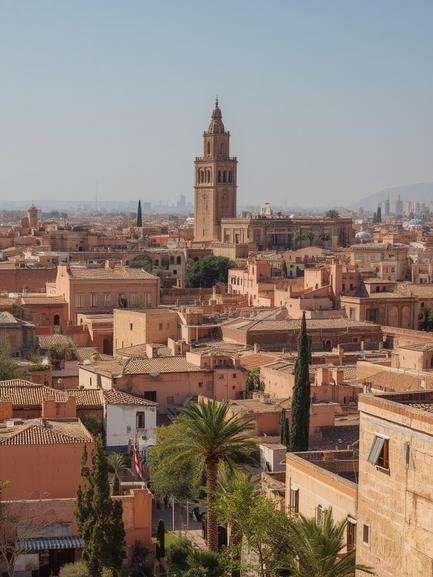
Morocco’s climate varies greatly from north to south and from the coast to the desert. The best time to visit depends on your preferences and what you want to do. Generally, spring (March to May) and autumn (September to November) are considered the best seasons, with mild temperatures and fewer tourists. Summer can be very hot, especially in the desert, while winters can be cool in the mountains. Plan your itinerary according to the season, and consider the peak tourist season (June to August) if you’re looking for a more vibrant atmosphere. For a more relaxed experience, consider visiting during the shoulder season.
Step-by-Step Travel Guide
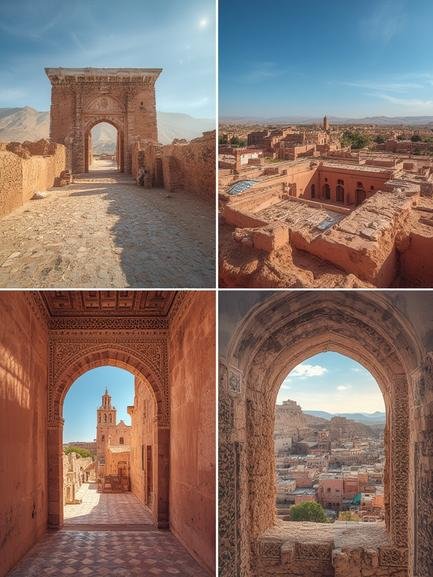
Planning a trip to Morocco can be overwhelming, but breaking it down into steps makes it manageable. Here’s how to plan your travel to Morocco adventure:
1. Decide on the duration of your trip and the regions you want to visit.
2. Research your destinations and create a rough itinerary.
3. Book your flights and accommodation in advance to avoid peak season prices.
4. Arrange for transportation between cities and to attractions.
5. Pack accordingly based on the season and your planned activities.
6. Stay informed about local customs, safety, and health guidelines.
By following these steps and using a Morocco travel guide, you can ensure a smooth and enjoyable trip focused on “Morocco tourism”.
Travel Benefits / Cultural Advantages
Morocco offers a rich tapestry of cultural experiences, historical sites, and natural beauty. Visitors can immerse themselves in vibrant souks, explore ancient medinas, relax on beautiful beaches, or trek through the Atlas Mountains. The country’s unique blend of Arab, Berber, and French influences makes it a fascinating destination for cultural enthusiasts. Whether you’re looking for adventure, relaxation, or personal growth, Morocco has something to offer.
Tips, Alternative Routes, or Travel Advice
Morocco is versatile, offering various travel styles to suit different preferences. Consider a luxury tour for a pampered experience, or backpack through the countryside for a more rugged adventure. You can explore the coastal route, visit historic cities, or venture into the desert. Morocco is also a great destination for solo travelers, with many opportunities to meet fellow adventurers.
Common Travel Mistakes to Avoid
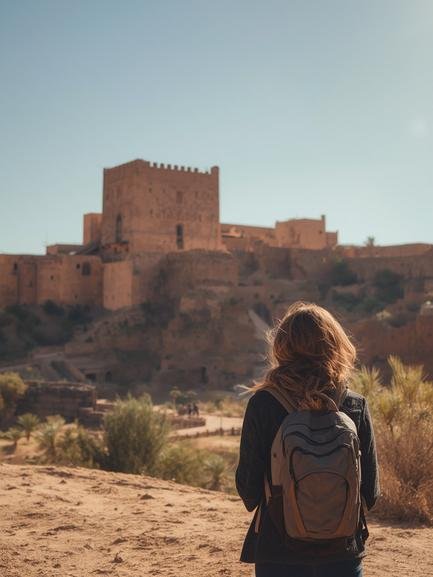
To ensure a hassle-free trip, be aware of common mistakes such as underestimating travel times, not respecting local customs, and not bargaining at markets. Always haggle politely, dress modestly, and stay informed about local conditions. Having a plan for emergencies and staying connected can also make a big difference.
Accommodation / Local Experiences Tips
Morocco offers a wide range of accommodations, from traditional riads to modern hotels and desert camps. When dining, be sure to respect local etiquette, such as eating with your right hand and trying a little of everything. Learning a few basic Arabic phrases can also go a long way in enhancing your experience. Consider staying in different regions to experience the diversity of Moroccan culture.
Conclusion
In conclusion, travel to Morocco is an enriching experience that offers something for everyone. By planning carefully and being mindful of local customs and practices, you can have a memorable and fulfilling trip. Whether you’re drawn to the vibrant culture, historical landmarks, or natural beauty, Morocco is a destination that will captivate your heart. So, start planning your trip today, and don’t forget to share your “Morocco tourism” experiences with fellow travelers using your favorite Morocco travel guide.
FAQs
1. What are the must-visit destinations in Morocco?
Morocco is home to many incredible destinations, including Marrakech, Fez, Chefchaouen, and the Sahara Desert. Each location offers unique experiences, from vibrant souks and historical sites to breathtaking landscapes.
2. Is Morocco safe for tourists?
Generally, Morocco is considered safe for tourists. However, as with any travel destination, it’s essential to take normal precautions to protect yourself and your belongings.
3. How much does a trip to Morocco cost?
The cost of a trip to Morocco can vary widely depending on your travel style, accommodation choices, and activities. Budget travelers can find affordable options, while luxury travelers can indulge in high-end experiences.
4. What is the best way to get around Morocco?
Morocco has a well-developed transportation network, including trains, buses, and taxis. Renting a car can also be a convenient option for exploring the countryside.
5. What cultural etiquette should I be aware of when visiting Morocco?
Morocco is a conservative country, so dressing modestly is appreciated. Additionally, respect for local customs, such as removing your shoes before entering a mosque or a home, is important. Learning a few basic Arabic phrases can also be seen as a sign of respect.